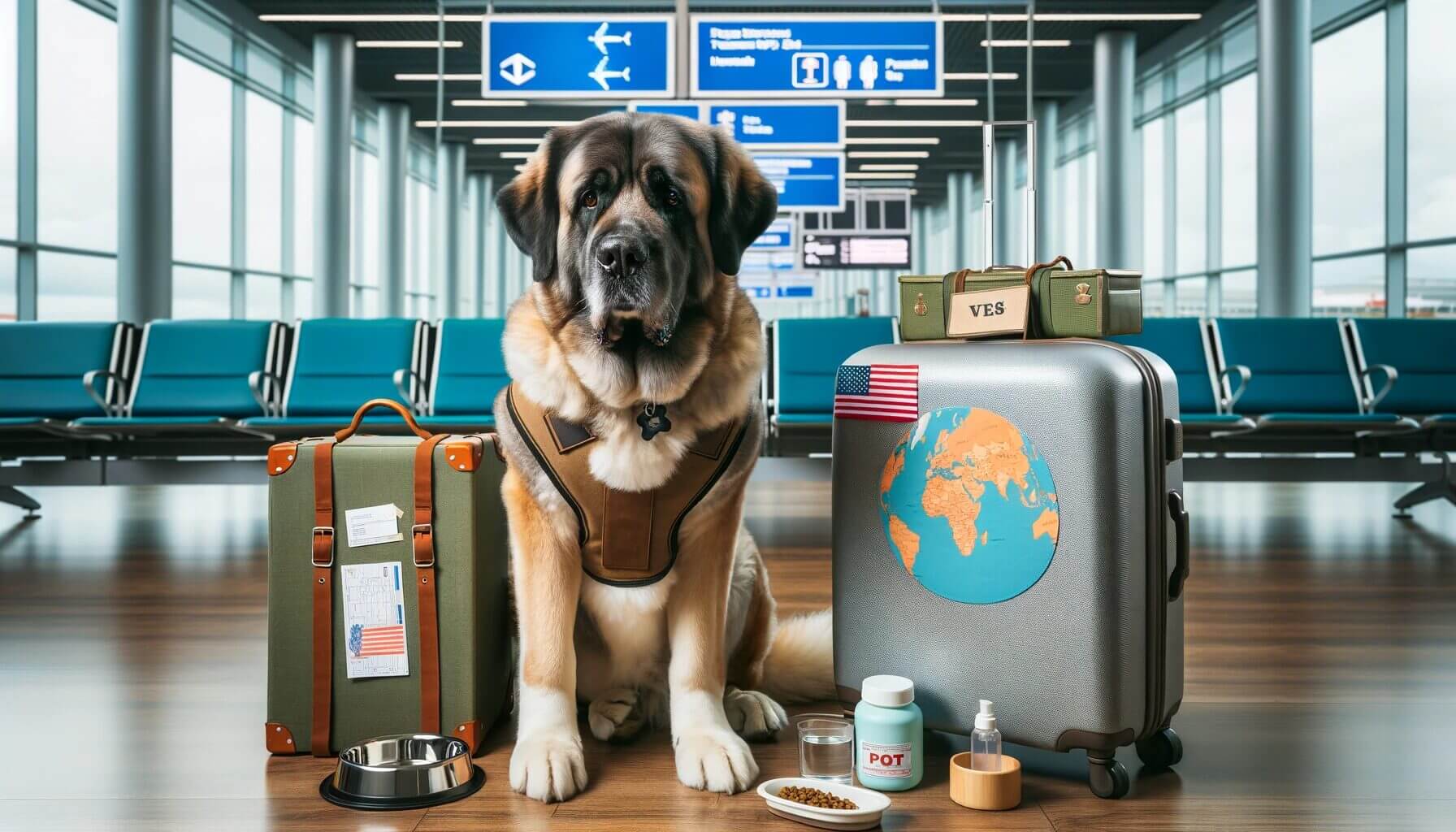
Flying with a large dog internationally can seem like a daunting task, but with the right guidance, it can be a smooth and stress-free experience for both you and your furry companion. In this comprehensive guide, we will cover everything you need to know about flying with a large dog, from the possibility of your dog flying in the cabin to the basics of flying with a large dog, as well as general tips for a successful journey. We will also delve into the two ways large dogs can fly on planes – as checked bags or as cargo – and discuss the costs associated with flying with a large dog, including airline considerations and destination specifics. We will provide expert tips and a step-by-step guide to ensure a comfortable and safe journey for your beloved pet. Whether you are planning a domestic or international trip, this guide will equip you with the essential information to make informed decisions and ensure a smooth travel experience for both you and your furry friend.
For more information on the costs of flying a dog internationally, check out this comprehensive article and get free pet transport quotes at CitizenShipper.
Key Takeaways:
Tips for Flying with a Large Dog Internationally: A Comprehensive Guide
Flying with a large dog internationally requires careful planning, adherence to specific airline and country regulations, and meticulous attention to your pet’s comfort and safety.
Before embarking on the journey, it is essential to research the pet travel requirements of the destination country. These can vary widely, encompassing health certifications, quarantine regulations, and microchipping. The airline’s pet policy regarding crate size, documentation, and in-cabin or cargo transport needs to be thoroughly reviewed and complied with.
Documentation is fundamental; it includes a health certificate issued by a licensed veterinarian, proof of vaccinations, and compliance with the International Air Transport Association (IATA) guidelines. It’s crucial to choose the most direct and pet-friendly route, minimizing layovers and potential stress for your furry companion.
Maintaining your dog’s well-being throughout the journey involves familiarizing them with the travel crate well in advance, ensuring their comfort with familiar toys and a favorite blanket, and considering sedation options if recommended by a veterinarian. Adequate hydration, regular bathroom breaks, and chance for exercise at layovers are equally vital.
Is it Possible to Fly with a Large Dog in the Cabin?
Many airlines do not allow large dogs to travel in the cabin due to space constraints and safety regulations, but each airline may have specific rules and considerations for accommodating large pets.
Flying with a Large Dog Internationally
When flying with a large dog internationally, pet owners must navigate the complex landscape of international regulations, airline guidelines, and pet safety protocols to ensure a smooth and stress-free travel experience for their beloved companion.
The Basics of Flying with a Large Dog

Flying with a large dog entails careful considerations such as selecting the appropriate crate, securing necessary documentation, and understanding the specific requirements of the chosen airline and destination country.
General Tips for Flying with a Dog
Regardless of the dog’s size, flying with a pet requires meticulous planning, including obtaining a health certificate, ensuring proper crate training, and researching pet-friendly airlines and layover options.
Two Ways Large Dogs Fly on Planes
Large dogs can travel as checked bags or cargo on planes, each option presenting unique considerations and requirements for the pet’s comfort, safety, and well-being.
As Checked Bags
Traveling as checked bags involves specific requirements such as secure crates, adherence to airline guidelines, and considerations for layover flights to ensure the pet’s safety and comfort during the journey.
When traveling with a large dog as checked baggage, it’s crucial to ensure the crate security meets the requirements of the airline. Airlines typically specify the dimensions, materials, and construction standards for pet crates to be accepted as checked baggage. Attention to detail in securing the crate ensures the pet’s safety and also helps streamline the check-in process.
It’s essential to carefully review each airline’s compliance guidelines for traveling with pets as checked baggage. This includes understanding weight restrictions, required documentation, and any specific regulations for the breed of the pet. Ensuring full compliance with these regulations helps avoid any unforeseen issues during check-in and boarding.
For flights with layovers, pet owners should consider the layover duration and facilities available at the layover airports. It’s important to choose flights with longer layovers, allowing time for the pet to rest, hydrate, and relieve themselves if necessary. Some airports even provide pet relief areas for this purpose, ensuring the pet’s comfort throughout the journey.
Pet comfort is a top priority when traveling with a large dog as checked baggage. Along with crate security, pet owners should pack familiar items such as blankets, toys, and a familiar scent to help calm the pet during the flight. Keeping the pet’s comfort in mind can significantly reduce stress for them during the journey.
As Cargo

Flying as cargo requires coordination with cargo shipping companies, adherence to specific airline regulations, and ensuring the pet’s comfort and safety throughout the transportation process.
When flying with a large dog as cargo, it’s essential to work closely with the cargo shipping company to ensure all necessary arrangements are in place. This includes providing accurate information about the pet’s size, weight, and crate dimensions to facilitate smooth handling and transportation.
Adhering to airline regulations is crucial, as each carrier may have different policies regarding the transportation of pets as cargo. This involves meeting specific crate requirements, providing health documentation, and understanding any temperature or breed restrictions that may apply.
Ensuring the pet’s comfort and safety is a top priority, requiring careful consideration of the travel conditions. This may involve selecting flights with appropriate temperature controls, providing familiar bedding and toys, and minimizing stress during the check-in and transfer processes.
How Much Does It Cost to Fly with a Large Dog?
The cost of flying with a large dog varies based on factors such as the airline, flight distance, destination, and additional requirements or services needed to ensure the pet’s safe and comfortable travel experience.
Check-in Baggage or Cargo
The costs of transporting a large dog as checked baggage or cargo vary based on the airline’s pricing policies, the destination’s regulations, and the specific requirements for pet transportation.
When considering the transportation of a large dog, it’s essential to factor in airline pricing for pet transportation. Airlines typically have specific guidelines and fees for pets traveling as checked baggage or cargo. Additionally, cargo transportation fees should be taken into account, as they can significantly impact the overall cost.
It’s crucial to research and compare the policies of different airlines and the regulations in the destination country to make an informed decision. Some countries may have stringent pet transportation regulations that could incur additional expenses or requirements.
Airline Considerations

Different airlines have varying policies and pricing structures for flying with large dogs, necessitating thorough research and comparison to identify the most suitable and cost-effective travel options.
When considering flying with a large dog, it’s crucial to check the specific restrictions and requirements of each airline. Some airlines may have weight limits, breed restrictions, or specific crate guidelines that need to be adhered to. It’s important to consider the cost implications of flying with a large dog. Prices can vary significantly between airlines, and it’s advisable to compare the additional fees and charges for pet travel.
For international flights with large dogs, understanding the import regulations of the destination country is essential. Certain countries may have strict quarantine or documentation requirements for pets entering the country, and it’s imperative to comply with these regulations to avoid any issues upon arrival.
Flying Internationally or Nationally
The costs of flying with a large dog may significantly differ when traveling internationally versus domestically, posing distinct considerations related to destination regulations, layover options, and documentation requirements.
When flying internationally with a large dog, it’s crucial to research and comply with the specific regulations of the destination country, which may include quarantine requirements or additional vaccinations. This can significantly impact both the cost and the overall travel experience.
When planning an international flight with a large dog, layover considerations become vital. Some countries may have strict rules regarding layovers, requiring specific documentation and even limited transit options for pets.
Contrastingly, domestic travel with a large dog within your own country typically involves less stringent regulations and documentation, resulting in potentially lower costs and simpler travel logistics for pet owners.
Destination Specifics
The destination-specific regulations, pet passport requirements, and cargo shipping companies’ policies significantly influence the overall cost of flying with a large dog, necessitating thorough assessment and planning.
Destination-specific regulations may entail specific health certifications, breed restrictions, and quarantine protocols, all of which can impact the required preparation and expenses. Depending on the destination, compliance with these regulations may demand additional vaccinations or tests from a veterinarian, adding to the overall cost. The pet passport requirements for different countries can vary, encompassing microchipping, rabies vaccinations, and relevant documentation, each of which involves associated costs.
When considering cargo shipping, it’s crucial to scrutinize the policies of various companies to gauge their charges, guidelines for pet accommodation, and the overall quality of service. Some companies might have stringent size and weight limitations, while others may offer specialized services for large dog transportation, each affecting the total expense. It is essential to conduct comprehensive research and liaise with multiple cargo carriers to identify the most cost-effective and pet-friendly option.
Selecting the Best Crate
Selecting the best crate for a large dog involves considering factors such as size, material, comfort features, and adherence to airline and safety regulations to ensure the pet’s security and well-being during travel.
Best Travel Carrier for Large Dogs
The best travel carrier for large dogs prioritizes spaciousness, ventilation, and security, catering to the pet’s comfort and safety during transportation, whether in the cargo area or cabin.
Spaciousness is essential to ensure that your large dog has enough room to stand, turn around, and lie down comfortably. Look for carriers with ample space, allowing your pet to travel without feeling cramped or confined.
Proper ventilation is crucial to maintain a constant flow of fresh air within the carrier, preventing overheating and ensuring your dog’s well-being during transportation. Ventilation should be strategically positioned to promote air circulation.
Security features like sturdy locks and reinforced walls enhance the safety of the carrier, preventing any potential escape or unauthorized access. Strong, dependable construction ensures that your pet remains secure throughout the journey.
Ensuring Calmness While Flying in a Crate
To ensure calmness while flying in a crate, pet owners can employ crate training techniques, familiarize the dog with the travel environment, and incorporate soothing elements to mitigate stress and anxiety during transportation.
Crate training involves gradually acclimating the dog to the crate, making it feel like a safe and comfortable space. This can be achieved by positive reinforcement, such as feeding the dog in the crate or providing treats while they are inside. Introducing familiar bedding or toys can create a sense of security and familiarity.
Environmental familiarization is essential to reduce the dog’s anxiety. Taking the dog for short rides in the car or placing the crate in different parts of the house can help them become accustomed to different environments and movements. Incorporating soothing elements like calming pheromone sprays or playing soft music during travel can provide a relaxing atmosphere for the dog. Ensuring that the crate is well-ventilated and comfortable is pivotal for the dog’s comfort.
Step by Step Guide: How to Fly with a Large Dog Internationally
A step-by-step guide on flying with a large dog internationally covers essential preparations, documentation, crate selection, and adherence to airline and country-specific regulations to ensure a smooth and safe travel experience for the pet.
Expert Tips for Flying with a Large Dog
Expert tips for flying with a large dog encompass guidance on acclimating the pet to the travel environment, ensuring ample exercise and comfort, and seeking professional advice from veterinarians and experienced pet owners for a successful travel experience.
Frequently Asked Questions
What are the requirements for flying with a large dog internationally?
In order to fly with a large dog internationally, you will need to provide proof of a valid rabies vaccine, a health certificate from a licensed veterinarian, and a certificate of acclimation if the flight will be longer than 12 hours. Additionally, some countries may have specific breed restrictions or additional requirements, so it is important to research the destination country’s regulations beforehand.
What are the costs associated with flying a dog internationally?
The costs for flying a dog internationally can vary greatly depending on the airline, destination, and size of the dog. On average, flying a large dog internationally can range from $500 to $2000. It is important to budget for additional fees such as crate rental, customs clearance, and possible quarantine fees.
Can my large dog fly in the cabin with me?
Unfortunately, most airlines do not allow large dogs to fly in the cabin with their owners. However, some airlines do offer a pet transportation service where your dog can travel in the cargo hold of the plane in a climate-controlled and pressurized area.
What should I do to prepare my dog for an international flight?
It is important to acclimate your dog to the travel crate in the weeks leading up to the flight. You should also make sure your dog is up-to-date on all necessary vaccinations and has a health certificate from a licensed veterinarian. It may also be helpful to take your dog on shorter flights beforehand to get them used to the flying experience.
How can I ensure the safety of my large dog during an international flight?
It is important to choose a reputable and pet-friendly airline for your dog’s international flight. You should also make sure the crate is the appropriate size and that your dog has enough food, water, and comfortable bedding for the duration of the flight. It may also be helpful to include a familiar item, such as a blanket or toy, in the crate with your dog.
What are the options for pet transport services for an international flight?
There are several options for pet transport services for an international flight. Some airlines offer a pet transportation service, or you can hire a professional pet shipping company. You can also look into hiring a pet courier who will accompany your dog on the flight. It is important to research the options and choose the one that best suits your dog’s needs and your budget.

Guiding SEO strategies for nationwide pet transportation services. With a wealth of experience in marketing, committed to showcasing safe and reliable pet transport options across the USA.