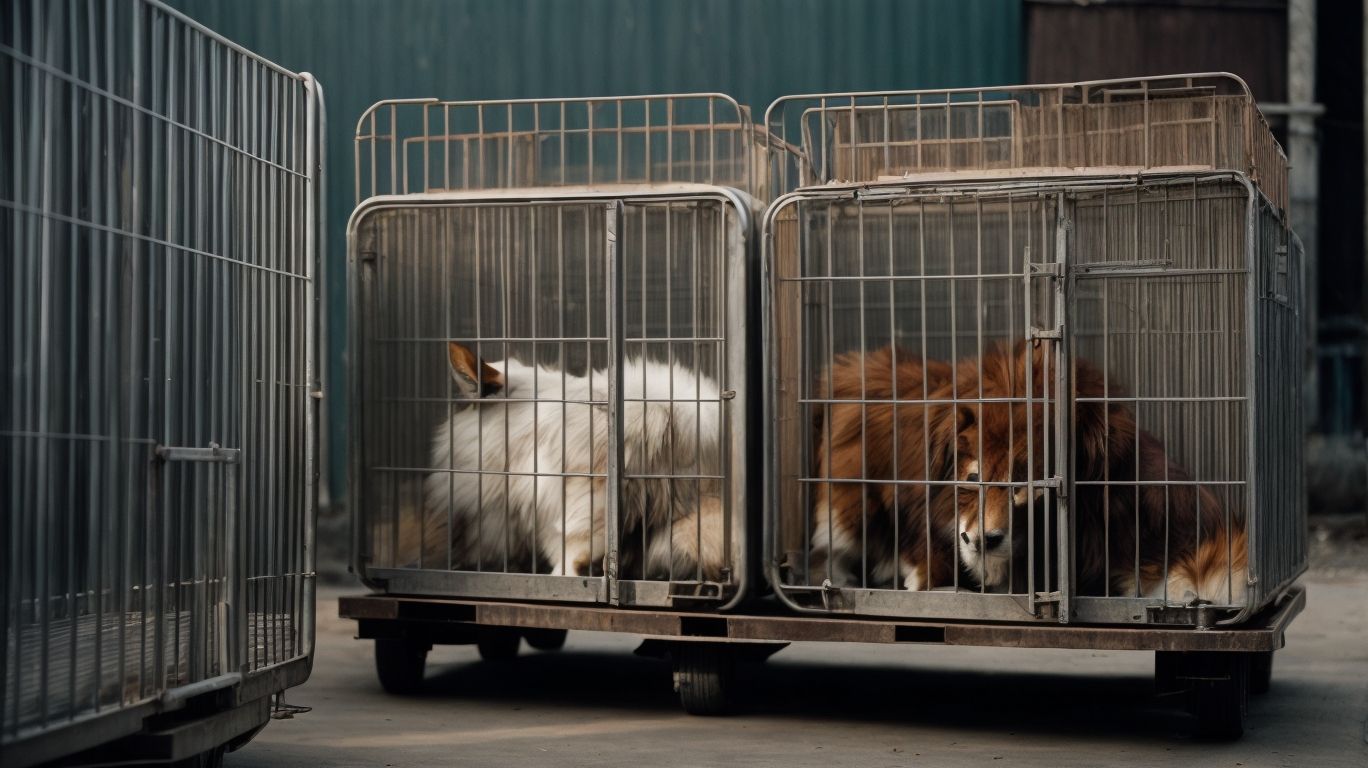

Welcome to our comprehensive guide on live animal shipping costs. Whether you’re a pet owner, breeder, or involved in the transport of live animals for any reason, understanding the factors that influence shipping costs is essential for making informed decisions. In this article, we will delve into the various aspects of live animal shipping costs, including the base costs, additional fees, and comparative analysis of different shipping methods. We will explore the key factors that influence shipping costs, such as distance, animal size and weight, and special handling requirements. We will discuss the importance of adhering to live animal shipping regulations, including legal considerations, documentation requirements, and seasonal restrictions that may impact costs. We’ll provide insights into selecting the right shipping provider, including tips for researching reputable companies, comparing services, and understanding insurance and liability coverage. By the end of this article, you will have a thorough understanding of what to expect when it comes to live animal shipping costs and be equipped to make well-informed decisions.
Key Takeaways:
Introduction to Live Animal Shipping Costs
Regarding transporting live animals, pet owners often face the challenge of understanding the costs involved in the shipping process, which can vary depending on a multitude of factors.
Factors influencing the costs of live animal shipping can include the size and weight of the animal, the distance of the journey, and the mode of transportation utilized. For example, shipping a small pet domestically within the same country may cost less than transporting a larger animal internationally. The specific requirements for handling and care during transit, such as temperature control and specialized crates, can further impact the overall cost.
Various modes of transportation are available for live animal shipping, ranging from air freight and ground transport to specialized animal couriers. Each mode comes with its own set of regulations, costs, and safety considerations. Pet owners need to carefully weigh these factors and select the most suitable option for the well-being of their animals.
Understanding the Factors Affecting Live Animal Shipping Costs
To comprehend the dynamics of live animal shipping costs , it is crucial to delve into the diverse factors that significantly influence the overall expenses associated with transporting pets or animals.
The distance plays a pivotal role in determining the shipping costs for live animals. Longer distances often result in higher expenses due to the increased fuel and labor costs. The size of the animals also contributes to the pricing, as larger animals may require more space and special handling during transportation. Factors such as special handling requirements for delicate or exotic animals can also drive up the costs considerably.
It’s essential to consider various carriers and modes of transport, as different companies may offer varied pricing and handling options based on their expertise and regulations.
Researching Different Live Animal Shipping Options

Pet owners embarking on the journey of shipping their animals must engage in thorough research to explore the array of shipping options available, ensuring the safety and well-being of their beloved pets.
Traditional transport services, such as ground shipping, offer a reliable and cost-effective option for local or regional pet transportation, while air travel remains a popular choice for long-distance journeys. Some pet owners seek specialized carriers, like CitizenShipper, which provide tailored transport solutions and ensure the comfort of the animals. Certification plays a crucial role, and pet owners should verify that carriers comply with relevant regulations and possess the necessary permits. Postal services like USPS and transportation companies like Amtrak also offer specific pet shipping services, making it important to evaluate all available options before making a decision.
Cost Considerations for Live Animal Shipping
When evaluating the cost of shipping live animals, pet owners must consider various financial aspects to ensure a smooth and economical transportation process for their pets or animals.
One of the main financial considerations for live animal shipping involves saving money on the overall transport expenses. This can be achieved by researching and comparing carrier costs of different shipping companies. Choosing the right transport service that offers a balance between cost and quality is essential.
Shipping companies play a crucial role in determining the overall expenses, and pet owners should carefully assess their pricing structures and additional fees.
Base Costs for Live Animal Shipping
The fundamental expenses associated with live animal shipping form the base costs, encompassing various factors such as origin and destination, carrier fees, and the mileage or distance covered during the transportation process.
When estimating the base costs, the distance traveled plays a significant role. Longer distances typically result in higher expenses due to increased fuel consumption and extended travel time, which directly impacts the overall transportation cost. Carrier fees also contribute substantially, varying based on the type of animal, size, and special handling requirements. The origin and destination locations influence costs as remote or less accessible areas may necessitate additional resources and coordination, thereby elevating the expenses.
Additional Fees and Charges
Along with base costs, pet owners must be aware of the potential for additional fees and charges, which may include expenses related to specific care requirements, quarantine regulations, and necessary vaccinations for the animals being transported.

Quarantine regulations vary from one state or country to another, and compliance with these regulations may involve additional costs. USDA requirements, such as health certificates and import permits, also contribute to the overall expenses.
Specialized care services like air nannies, who ensure the well-being and comfort of the animals during transit, incur extra charges. These professionals play a crucial role in navigating the complexities of live animal shipping, which warrants a thorough understanding of the associated costs.
Cost Comparison Between Different Live Animal Shipping Methods
Comparing the costs associated with various live animal shipping methods allows pet owners to make informed decisions, weighing the financial implications of options such as shared ground transportation , crate training , air travel , and traditional transport services .
When determining the most cost-effective shipping method, it’s essential to consider the expenses related to each option. Shared ground transportation is often a budget-friendly choice, especially for short distances, while crate training can minimize costs through space optimization and safety for the animals.
On the other hand, air travel may incur higher expenses due to airlines’ regulations and specific requirements for live animal shipment. Traditional transport services typically offer competitive rates but may lack the specialized care and handling provided by dedicated pet shipping alternatives.
Factors Influencing Live Animal Shipping Costs
Several critical factors play a pivotal role in shaping the overall expenses of live animal shipping, encompassing elements such as the size and weight of the animals, the distance covered during transportation, and the specific requirements for care and handling .
These factors are closely intertwined and significantly impact the costs involved. For instance, larger animals may require specialized carriers and cargo hold facilities to ensure their comfort and safety during transport. Similarly, the distance traveled can influence the choice of transport mode, with factors such as time and the need for frequent stops affecting overall pricing .
The need for specialized care during the journey, including specific temperature regulation and medical attention , can add to the overall expenses .
Distance and Location

The distance to be covered and the specific locations involved in live animal shipping significantly impact the overall costs, with considerations such as mileage , origin , and destination affecting the financial aspects of transportation.
Regarding live animal shipping, the distance plays a critical role in determining the expenses. Longer distances generally result in higher transportation costs due to increased fuel consumption, vehicle wear and tear, and the need for more frequent rest stops and accommodations for animal welfare during the journey.
The origin and destination of the shipment also greatly influence the costs. Shipping from remote or less accessible locations may incur additional expenses, such as the need for specialized transport arrangements or the use of multiple carriers to reach the desired destination.
Therefore, understanding the financial implications of distance and location in live animal shipping is essential for businesses and individuals involved in this industry to make informed decisions and optimize cost-efficiency.
Size and Weight of the Animal
The size and weight of the animals being transported are crucial determinants of the overall shipping costs, with considerations extending to diverse categories of animals, including livestock, zoo animals, reptiles, amphibians, tropical fish, and beneficial insects.
Regarding transporting livestock , the weight and size play a significant role in determining the shipping expenses. Large animals require more space, handling, and specialized containers, leading to higher costs.
Similarly, zoo animals often demand custom shipping solutions tailored to their species-specific requirements, further impacted by their size and weight.
Reptiles, amphibians, and tropical fish require careful consideration due to their sensitivity to environmental changes. Their smaller size may lead to the need for careful packaging and climate-controlled transportation, contributing to the overall expenses.
Beneficial insects, while small in size, also necessitate specific shipping conditions, especially to maintain their viability. Even their tiny weight can influence the packaging materials and handling protocols, affecting the overall shipping costs.
Special Handling and Care Requirements
Animals with special handling and care requirements incur unique costs, with considerations such as USDA-certified transportation, specific certifications, and effective communication with shipping providers contributing to the overall expenses of live animal shipping.
Ensuring special handling and care for live animal shipments involves a range of financial implications. Firstly, USDA-certified transport carriers require adherence to rigorous standards, leading to potentially higher transportation costs. In addition, the acquisition of specific certifications, such as AVMA guidelines compliance or specialized handling training, adds to the financial burden. Maintaining effective communication with shipping providers is crucial, as it impacts the welfare of the animals and may necessitate additional costs such as customized transit arrangements or specialized equipment. Regulatory compliance with IATA Live Animals Regulations further adds to the financial complexities, as it demands meticulous attention to documentation and procedural adherence.
Understanding Live Animal Shipping Regulations
Navigating the realm of live animal shipping involves a crucial understanding of the regulations governing the process, encompassing factors such as quarantine protocols , USDA requirements , import documentation , and the impact of seasonal restrictions on shipping costs .
Quarantine protocols are designed to protect animal health by isolating and monitoring them for potential diseases or infections before entering a new location. The USDA requirements ensure that animals are properly cared for and meet specific health and welfare standards during transportation, while import documentation plays a pivotal role in facilitating the smooth movement of live animals across borders.
Seasonal restrictions, such as temperature limitations during extreme weather conditions, can significantly impact the logistics and expenses involved in live animal shipping. These restrictions may necessitate specialized transportation and accommodation to maintain the well-being of the animals, adding complexity and cost to the process.
Legal and Regulatory Considerations
The legal and regulatory dimensions of live animal shipping play a pivotal role in shaping the associated costs, encompassing considerations such as quarantine regulations , USDA compliance, documentation requirements, and the necessity of specific certifications for transportation.
The transportation of animals across borders and jurisdictions necessitates adherence to a complex web of rules and guidelines implemented by various governmental bodies.
Quarantine regulations established by different countries determine the period for which animals must be isolated to prevent disease spread, adding to the logistics and costs of transporting live animals. Moreover, USDA guidelines set forth stringent standards for the care, handling, and transport of animals, ensuring their welfare throughout the shipping process. Meeting the USDA compliance requirements demands meticulous attention to detail and documentation, which can contribute significantly to the overall expenses involved.
In addition, the documentation necessities encompass health certificates, import permits, and other legal paperwork, adding administrative complexities and costs to the shipping process. Specific certifications for transportation, such as those related to animal welfare and transport safety, are often mandated, with non-compliance potentially resulting in substantial penalties and delays, further impacting the costs involved in live animal shipping.
Importance of Proper Documentation
The significance of proper documentation in live animal shipping cannot be overstated, as accurate import documentation , certifications , and effective communication with shipping providers are essential elements that impact the overall costs.
In the case of live animal shipping, documentation plays a pivotal role in ensuring regulatory compliance and the safe transit of the animals. Each country has specific import requirements, and therefore, meticulous attention to detail in preparing and submitting the required paperwork is crucial. Without the proper certifications, the shipment may face delays, additional inspections, or even rejection, resulting in increased expenses.
Open and transparent communication with the shipping providers is vital to coordinate the logistics effectively and minimize any potential disruptions, ultimately influencing the overall expenses of live animal transportation.
Impact of Seasonal Restrictions on Shipping Costs
Seasonal restrictions exert a notable influence on live animal shipping costs, with considerations such as import limitations, regulatory adjustments, and specific documentation requirements during different seasons contributing to the overall expenses.
Import limitations often lead to increased shipping costs as alternative routes or methods may need to be employed, impacting the price. Regulatory adjustments impact the process and may require additional resources, adding to the expenses. Specific documentation requirements, such as health certificates and climate control assurances, can result in extra administrative work and costs for the transporters.
Choosing the Right Live Animal Shipping Provider
Selecting the appropriate shipping provider for live animals is a critical decision, demanding thorough research, evaluation of certification, and careful consideration of reviews and costs to ensure the safety and well-being of the transported animals.
When transporting live animals, the selection of a reliable shipping provider holds significant importance. It’s essential to thoroughly research the potential providers and consider their experience and expertise in handling live animal transportation. Evaluating their certifications and compliance with industry standards is crucial to guarantee the secure and humane transport of the animals.
Assessing reviews and costs helps in making an informed decision that prioritizes the welfare of the animals being transported.
Researching and Selecting Reputable Shipping Companies
Conducting extensive research and identifying reputable shipping companies are essential steps in ensuring the safe and reliable transportation of live animals, involving considerations such as reviews , costs, and the specific origin and destination requirements.
When researching shipping companies for live animal transport, it’s crucial to carefully evaluate reviews and feedback from other customers. Look for companies with positive reviews that specifically mention their experience with animal transportation. This indicates the company’s expertise and dedication to the well-being of the animals.
Cost-effectiveness is another critical factor to consider. While you want to ensure the safety of the animals, it’s important to compare costs and services offered by different companies. Prioritize the welfare and comfort of the animals over the cheapest option.
Additionally, origin-destination considerations play a significant role. Select a shipping company that has experience with the specific locations involved in the transportation process, as this ensures a smoother and more efficient journey for the animals.
Comparing Shipping Services and Quality of Care
Comparing shipping services and evaluating the quality of care provided by different carriers are essential elements in the process of choosing the right live animal shipping provider, highlighting the importance of certification and the role of relocation coordinators.
When considering live animal transportation, it is crucial to carefully scrutinize the shipping services offered by various carriers. The level of care provided to ensure the safety and well-being of the animals during transit varies significantly among different providers.
Ensuring that carriers possess the necessary certification to transport live animals highlights their commitment to adhering to industry standards and regulations. The involvement of well-versed relocation coordinators can greatly contribute to a smooth and secure shipping process.
Understanding Insurance and Liability Coverage
Gaining a comprehensive understanding of insurance and liability coverage is imperative for pet owners when selecting a live animal shipping provider, as it involves considerations such as costs, coverage terms, and the extent of liability protection provided by the carrier.
When transporting live animals, it’s crucial to assess the financial aspects of insurance and liability coverage. This includes examining premiums, deductibles, and potential out-of-pocket expenses in case of an unforeseen event during transit. Furthermore, coverage terms should be carefully studied to ensure that all possible risks and scenarios are accounted for, safeguarding not just the animals, but also the owner’s financial investment.
The extent of liability protection provided by the carrier is another important factor. Understanding the limitations and scope of this protection is vital in determining the level of risk exposure. It is essential that the owner comprehends the potential financial repercussions and challenges that may arise if there are gaps in liability coverage.
Frequently Asked Questions
What is the average cost of shipping live animals?
The average cost of shipping live animals can vary greatly depending on the type of animal, distance being shipped, and shipping method. However, it typically ranges from $50 to $200.
What factors affect the shipping cost of live animals?
Some of the main factors that can affect the shipping cost of live animals include the type of animal, distance being shipped, weight and size of the animal, and any special handling or documentation requirements.
Are there any additional fees or charges for shipping live animals?
Yes, there may be additional fees or charges for shipping live animals. These can include fees for special handling, health certificates, and permits. It is important to check with the shipping company for a full breakdown of all potential fees.
Do shipping costs for live animals differ for domestic and international shipments?
Yes, shipping costs for live animals can differ for domestic and international shipments. International shipments may require additional paperwork and fees, and may also have stricter regulations for live animal transport.
How can I save on live animal shipping costs?
One way to save on live animal shipping costs is to look for companies that specialize in live animal transport. These companies may offer discounted rates or have experience with handling and transporting live animals, which can help ensure a safe and cost-effective journey.
What are my options for shipping live animals?
There are a few different options for shipping live animals, including air freight, ground transport, and specialized animal transport companies. It is important to research and compare these options to determine the best and most cost-effective method for your specific needs.

Guiding SEO strategies for nationwide pet transportation services. With a wealth of experience in marketing, committed to showcasing safe and reliable pet transport options across the USA.